Paleo Vegetable Recipes: Greens
Sauté Greens
High sides make is easier
Citrus Juice Press
CR's Top Pick

Extra Virgin
Olive OilBestselling

Oil Cans for beside range
(I have 3 cans:
MCT, olive
and macadamia nut oil.)

General Cooking Information
Cooking Dark Leafy Greens
In general, chard and spinach cook quickly. Collards, esp. big old leaves, cook slowest, and turnips, kale and mustard cook rather slowly. You can cook turnips, kale, mustard and collards basically all you want, 15 - 20 minutes or more is sometimes needed. Southerners have cooked collards for hours. Older tougher leaves take longest.
It helps to chop them rather finely before cooking, they will cook faster this way.
The more you cook mustard greens, the less spicey they are. Cooking turnips and collards can remove bitterness. Cooking with vinegar helps remove bitterness too.
By Richard Geller. Posted to the PaleoRecipe Mailing List, Feb. 2001
Other greens worth trying are Lambs Quarters, Stinging Nettles or Dandelion leaves. Stinging nettles become soft after cooking and no longer *sting*.
By Trish Tipton. Posted to the PaleoRecipe Mailing List, March 2001
Oh, speaking of other greens, I said I would get back to y'all on the carrot tops in the broth. NICE!! Gives it a different flavor. They're a bit bitter eaten raw but a "clean" taste to them.
By Oliva. Posted to the PaleoRecipe Mailing List, March 2001
You can use carrot tops like parsley. They are strong tasting, similarly to parsley. Just snip them up into main-dish salads or soups.
By Lynnet Bannion. Posted to the PaleoRecipe Mailing List, March 2001
To Print the Recipe, or to Post and/or Read
Comments
Country-Style Greens
1 Tbsp lard or rendered bacon fat
1 medium onion, minced
2 cups water
pepper
2 bunches (or about 2 pounds) of fresh collard, turnip, or mustard greens
1/4 pound good quality bacon or ham, cut in 1/2 inch pieces, or 1/2 pound ordinary sliced bacon or ham
Trim away and discard the tough stems of the greens. To loosen grit, place the leaves and the remaining tender stems (you should have about 2 quarts) in a large bowl, cover with lukewarm water, and soak for 5 minutes. Rinse several times in lukewarm water to wash away any remaining sand. Melt lard in a large heavy nonreactive pot with a lid. Do not use an aluminum pot, if possible, use one with an enamel coating. Add onions and bacon. Fry together over medium-high heat, stirring often, until onions wilt and bacon starts to brown, about 5 minutes. Add greens and the water and bring to a boil over high heat. Cover, lower heat to medium, and cook until greens are tender, with just a little crunch, about 20 minutes. Uncover, raise heat to high, and boil off some of the excess water, about 5 minutes. Add pepper to taste, and serve hot, it should be slightly soupy. - Serves 6
Adapted from
Regional American Classics, California Culinary Academy.
To Print or Pin the Recipe, or to Post and/or Read
Comments

Wilted Greens with Lemon
1 tsp. extra virgin olive oil
2 or 3 cloves of garlic, minced
grated zest of 1 lemon
juice of 1 lemon
1 bunch leafy greens (kale, collards, broccoli rapini), cleaned well and sliced into bite-sized pieces
Heat oil in a skillet over medium heat. Add garlic and cook 1 minute. Add greens and cook until they are tender and begin to wilt, about 5 minutes. Stir in the lemon zest and cook 1-2 minutes. Remove from heat and toss greens with lemon juice. Serve immediately, makes 4 servings.
Adapted from
Cooking the Whole Foods Way by Christina Pirello.
To Print or Pin the Recipe, or to Post and/or Read
Comments

Stewed Greens With Tomatoes and Mint
This is inspired by a Greek recipe from the island of Corfu, from Diane Kochilas's book
The Greek Vegetarian. I love the way the greens and tomatoes are infused with mint. If you want to try more unusual greens from your farmers' market, like amaranth or purslane, they will work in this dish.
2 pounds Swiss chard or kale, stemmed and washed, or a 1-pound bag of stemmed, washed Southern greens
Salt
2 tablespoons extra virgin olive oil, plus additional if desired for drizzling
1 large onion, chopped
2 to 4 garlic cloves (to taste), minced
2 teaspoons sweet paprika
1/4 to 1/2 teaspoon cayenne
2 pounds fresh tomatoes, seeded and grated, or peeled, seeded and chopped, or a 28-ounce can chopped tomatoes with juice
1/2 cup chopped fresh mint
1/2 cup chopped fresh fennel or dill
2 tablespoons tomato paste, diluted in 1/2 cup water
Freshly ground black pepper
Bring a large pot of water to a boil. Fill a bowl with ice water. When the water comes to a boil, salt generously and add the greens. Blanch chard for 1 minute, Southern greens or kale for 2 minutes. Transfer to the ice water, then drain and squeeze out water. Coarsely chop and set aside. Alternatively, steam the greens in a large steamer - 2 minutes for chard, 3 to 4 minutes for kale. Rinse and squeeze dry.
In a wide, heavy skillet or Dutch oven, heat the oil over medium heat and add the onion. Cook until the onion is tender and beginning to color, 5 to 8 minutes, and add the garlic, paprika and cayenne. Cook, stirring, for about a minute, until fragrant, and add the tomatoes and salt to taste. Bring to a simmer, and simmer until the tomatoes have cooked down slightly, about 10 minutes. Add the greens, herbs and diluted tomato paste, and bring to a simmer. Cover and simmer until the greens are very tender, about 20 minutes. Add salt and pepper to taste.
Yield: Serves 4 to 6
Advance preparation: You can make this a day ahead and reheat.
By:
Martha Rose Shulman. From
The New York Times: Recipes For Health
To Print or Pin the Recipe, or to Post and/or Read
Comments
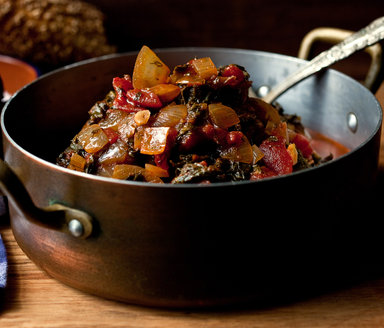 Andrew Scrivani for The New York Times
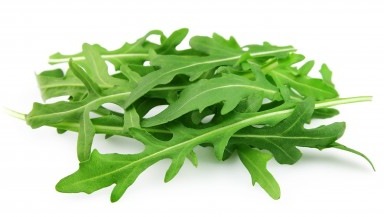
Arugala
How to Cook Arugula
Arugula resembles a small lettuce, but it has a unique, spicy flavor. These flavorful greens are a rich source of several nutrients, including potassium and vitamins A and K. Although frequently served raw, arugula is suitable for several cooked preparations. Sauteing is the most basic way to cook arugula. sautéed arugula resembles sautéed spinach; it becomes a dense, wilted leaf. Alternatively, arugula's pepper-like flavor adds a bite to stir-fried dishes.
Simple sautéed Arugula
arugala, chopped or sliced
olive oil (roughly 1 tablespoon per 2 cups of arugula)
garlic cloves, minced (1 clove per cup of arugula)
Set a saute pan over medium-high heat and add olive oil. Allow oil to heat.
Add garlic to hot oil. Saute the garlic until it is slightly softened, usually 30 to 45 seconds.
Throw the arugula into the pan. Cook the arugula, constantly tossing. Heat the arugula until the leaves wilt, usually about one minute. Transfer the arugula and garlic to a serving platter.
Tip: You can add arugula to nearly any sautéed dish. Because arugula cooks quickly, add it at the end.
From:
LiveStrong.com
To Print or Pin the Recipe, or to Post and/or Read
Comments
 Maria Volosina / 123RF Stock Photo 12203463
Beet Greens
Sesame Wilted Beet Greens
Beet greens are as valuable as beets. Just treat them like spinach or Swiss chard. A simple addition of sesame oil or lemon juice enhances their flavour.
1 tbsp sesame seeds
8 cups loosely packed beets with greens, (about 2 bunches)
1 tsp extra-virgin olive oil
1 clove garlic, minced
1 tsp grated gingerroot
1 pinch salt
1/2 tsp sesame oil
In small skillet over medium heat, toast sesame seeds until golden, about 3 minutes; set aside.
Trim stems from small young beet greens or remove centre rib from larger mature beet greens.
In large skillet, heat oil over medium-high heat. Add beet greens, garlic, ginger and salt; cover and steam until greens are wilted, about 3 minutes. Drizzle with sesame oil; sprinkle with reserved sesame seeds.
Variations: Drizzle with 1 tbsp (15 mL) lemon juice.
From:
Canadian Living Magazine: November 2003
To Print or Pin the Recipe, or to Post and/or Read
Comments
 Olga Yastremska / 123RF Stock Photo 10220429
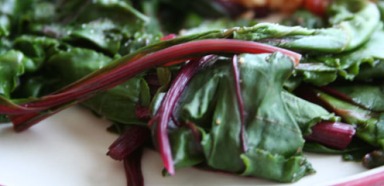
Steamed Beet Greens
Beet greens
Salt, to taste
Beet greens only need to be steamed. They take maybe 8-10 minutes until tender and edible. Add some salt while they're still warm to bring out the flavor.
From:
Cooking with Erica
To Print or Pin the Recipe, or to Post and/or Read
Comments
 Cooking with Erica
How to Cook Beet Tops
Beet tops
Olive oil
Two to three garlic cloves
Chili flakes (optional)
Salt
Cut the beet tops into bite-sized pieces. Focus especially on the stems, because the leaves will shrink significantly during cooking so their size is less important.
Rinse chopped beet tops thoroughly. Beet tops tend to be gritty and dirty, so you may have to rinse them several times before they are completely clean.
Pour slightly more olive oil into the saucepan than is needed to cover the bottom.
Slice the garlic into very thin slices and place in the saucepan.
Add a pinch of chili flakes. Don't go overboard now; you can always add more later if you want the dish to be spicier. A general rule of thumb for this recipe is to use a pinch corresponding to the size of your saucepan, assuming the beet tops will fill. For example, use a small pinch for a small saucepan, or a very big pinch for a very big saucepan.
Saute garlic and chili flakes over low to medium heat until garlic is translucent and tender, but not brown. Stir frequently with wooden spoon to prevent burning or sticking.
Add the beet tops along with a generous pinch of salt. Stir the mixture until the beet tops are evenly coated in the olive oil.
Cook the beet tops for five to 10 minutes, stirring frequently, over low to medium heat. After five minutes, try a piece of stem. The beet tops are done when the stems are tender, but still slightly firm.
Tip: If you want a more intense flavor, add more garlic. This recipe as written will have only a hint of garlic, so by all means add more if you are a garlic fan.
By Morgan O'Connor, eHow Contributor
From:
eHow [archive.org]
To Print or Pin the Recipe, or to Post and/or Read
Comments
Olga Yastremska / 123RF Stock Photo 10220429
Bok Choy (Chinese Cabbage)
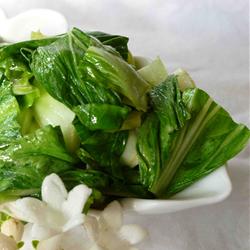
Easy Bok Choy
1 tablespoon oil
2 cloves garlic, crushed and chopped
8 heads baby bok choy, trimmed and cut into bite-size pieces
salt to taste
Heat the oil in a large skillet or wok over medium heat, and cook the garlic in the hot oil until fragrant, 1 to 2 minutes. Mix in the bok choy, and cook and stir until the green parts of the leaves turn bright green and the stalks become slightly translucent, 5 to 8 minutes. Sprinkle with salt to serve.
From:
AllRecipes
To Print or Pin the Recipe, or to Post and/or Read
Comments
 OkinawanPrincess
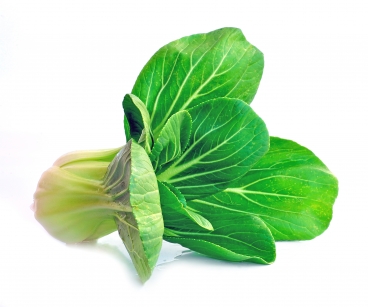
Stir-Fried Bok Choy with Ginger and Garlic
1 tablespoon coconut oil
2 cloves garlic, minced
1 tablespoon minced fresh ginger
8 cups chopped fresh bok choy
2 tablespoons
coconut animos
Salt and ground black pepper
Heat oil in a large skillet over medium heat. Add garlic and ginger and cook 1 minute. Add bok choy and coconut animos. Cook 3 to 5 minutes, until greens are wilted and stalks are crisp-tender. Season, to taste, with salt and black pepper.
Adapted from:
Food Network Magazine
To Print or Pin the Recipe, or to Post and/or Read
Comments
 Sommai Larkjit / FreeDigitalPhotos.net 10071939
Bok Choy and Radishes
1 head bok choy
3 tablespoons ghee and/or coconut and/or olive oil
12 radishes, thinly sliced
1 shallot, sliced
1 teaspoon lemon-pepper seasoning
1/2 teaspoon salt
Cut off and discard root end of bok choy, leaving stalks with leaves. Cut green leaves from stalks. Cut leaves into 1-in. slices; set aside. Cut white stalks into 1-in. pieces.
In a large skillet, cook bok choy stalks in oil for 3-5 minutes or until crisp-tender. Add the radishes, shallot, lemon-pepper, salt and reserved leaves; cook and stir for 3 minutes or until heated through.
Yield: 8 servings.
From:
Taste of Home: Simple & Delicious, May 2010, p.62
To Print or Pin the Recipe, or to Post and/or Read
Comments
 Taste of Home
Broccoli Rabe (Rapini)
Broccoli Rabe/Rapini with Sausage and Mushrooms
1 bunch broccoli rabe
1 lb. mushrooms, (portabellos, button, and crimini work well in this recipe)
2 cloves garlic, minced
1 lb. bulk Italian sausage (see *) [could be optional]
1 tsp. ume plum vinegar or lemon juice
bone broth added as needed
1/2 cup steamed, chopped sun-dried tomatoes
1/4 cup toasted pine nuts
Maldon salt and fresh cracked black pepper to taste
Wash rapini, remove leaves and flowers from stem. Gently clean mushrooms with soft brush (no water) and slice 1/4 inch thick. In large skillet, brown the sausage. Remove from pan. Saute mushrooms in sausage grease until tender, adding garlic for the last two minutes of cooking. Add a dash of bone broth or water to the pan. Stir in sausage and dried tomatoes. Add rapini and vinegar or lemon juice, toss gently, adding more bone broth as needed to keep the leaves moist. Simmer just until wilted, about 2-3 minutes. All of the liquid should be absorbed. If it isn't, drain off excess liquid. Remove to serving bowl, sprinkle pine nuts and serve immediately.
* I would imagine that using Sean's breakfast sausage recipe as a guideline, one could make a delicious bulk Italian sausage using a bit of crushed rosemary, a couple teaspoons red pepper flakes, and fennel seeds. I am going to try that the next time I make this recipe. I'll post the recipe if it comes out well.
By Stacie Tolen. Posted to the PaleoRecipe Mailing List, April 2001
To Print or Pin the Recipe, or to Post and/or Read
Comments
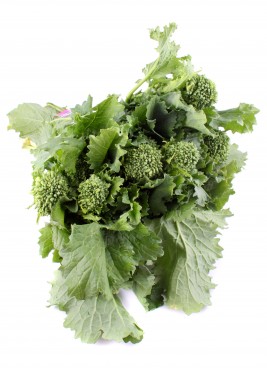 Graça Victoria / 123RF Stock Photo 6009471
Broccoli Rabe, Indian style
1 large bunch of broccoli rabe (washed and trimmed), roughly chopped
1 medium onion, finely diced
1" piece of ginger, peeled and finely minced
3-4 large garlic cloves, finely minced
1 tsp black mustard seeds
1 tsp cumin seeds
pinch of asafetida (hing)
1/2 tsp turmeric
1 tsp ground cumin powder
1/2 tsp ground coriander powder
pinch of red pepper flakes, to taste (optional)
salt and pepper, to taste
2 tbsp coconut oil
freshly chopped cilantro for garnish
In a deep skillet or wok on medium high heat, add the oil. When hot, carefully add the black mustard seeds. When the splattering subsides, add the cumin seeds. Stir the spices and add the asafetida. Add the onions and stir. Let the onions brown slightly and add the ginger, garlic and crushed red pepper flakes. Stir and let cook until aromatic and then add the rest of the spices (turmeric, ground cumin powder, ground coriander powder, salt and pepper). Stir and let the spices cook for a few minutes. Then start adding the broccoli rabe. Keep stirring until the greens are covered in the spices. Reduce the heat to low, cover and let look for 5-6 minutes. Garnish and serve.
Adapted from:
BellaOnline: The Voice of Women
To Print or Pin the Recipe, or to Post and/or Read
Comments
Graça Victoria / 123RF Stock Photo 6009471
Broccoli Rabe with Caramelized Onions
Olive oil
1 yellow onion, sliced into slivers, lengthwise (with the grain)
1 large bunch of broccoli rabe (raab, rapini), rinsed and cut into 2-inch long pieces
2-3 garlic cloves, sliced
1/4 teaspoon red chili flakes
Salt
Freshly ground black pepper
Heat 2 Tbsp olive oil in a large sauté pan on medium heat. Add the onions, spread out in a thin layer. Cook, stirring occasionally until softened and then lightly browned. (Tip: to speed up the caramelization process you can sprinkle a pinch of sugar over the onions.) If the onions start to dry out at all, lower the heat (you can add a little water to them too.) They should brown, but not get dried out.
After you start the onions, bring a large pot of water to a boil. The onions take at least 15 minute to cook, so you'll have time to get the water boiling. Salt the water (about a tablespoon of salt for 3 quarts of water). Prepare an ice bath, fill a large bowl half way with ice water. Add the rabe to the boiling water. Blanch for 1 minute. Use a slotted spoon to remove from the boiling water and put in the ice bath to stop the cooking. Shocking the rabe with ice water will also help keep the rabe bright green colored.
Note that some people blanch their rabe, some do not. Rabe can be rather bitter, so blanching will help take the edge off of the bitterness. If your rabe isn't particularly bitter, or you like bitter greens, you can easily skip this blanching step.
Drain the ice water from the rabe. Use a clean tea towel to gently wring out the excess moisture from the rabe. [Or use a salad spinner.]
Once the onions are lightly browned, remove them from the pan to a bowl. Using the same pan, add another Tbsp of olive oil and heat the pan on high heat. Add the chili flakes. Once the chili flakes start to sizzle, add the garlic. Once the garlic just starts to brown at the edges add the broccoli rabe and the onions. Toss the rabe mixture so that it gets well coated with the olive oil. Cook on high heat until most of the moisture is gone, about 5 minutes if you blanched first, a minute or too longer if you skipped the blanching.
From:
Simply Recipes
To Print or Pin the Recipe, or to Post and/or Read
Comments
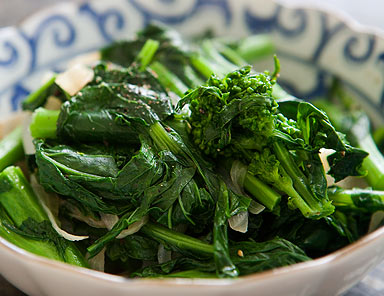 Elise at SimplyRecipes
Cabbage
Stir Fry Cabbage And Carrot
2 cloves of garlic, slice
300g cabbage, cut to small slice
1 carrot, peel, half and slice
100g chicken breast, cubed
1 chilli, slice
1-2 tablespoon of pure fish sauce, e.g.
Red Boat Fish Sauce
1 tablespoon of olive oil
salt and pepper to taste
2 tablespoon of water
Heat oil in a wok.
Add in garlic, fry for 15 sec.
Add in cubed chicken. Fry for a minute.
Add in oyster sauce.
Add in water.
Add in carrots, stir fry for 3 minutes.
Add in cabbage and chilli, and stir fry or another 2 minutes.
Finally, salt and pepper to taste.
From whitejasmine. Found at:
GroupRecipes
To Print or Pin the Recipe, or to Post and/or Read
Comments
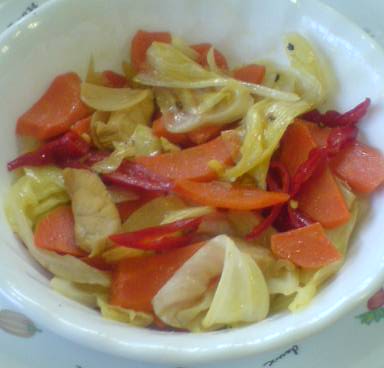 whitejasmine
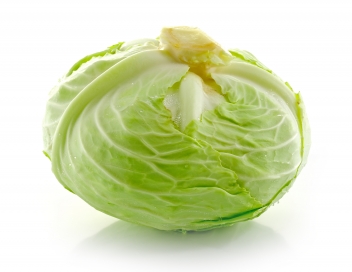
Cabbage Cooking
Place an amount of olive in a pan - more
Wash the cabbage and chop finely (the water on the cabbage is all you need)
Heat the oil add the cabbage and stir - add fresh rosemary, oregano, thyme if available
Put on a low heat, lid on saucepan and stir every minute or two to stop burning for about 7-10 minutes.
- the cabbage steam fries. Ginger counteracts the gas from cabbage.
Add garlic and ginger to excess about 5 minutes into the cooking
Serve with more olive oil. Serve with nut loaf, fish, steamed chicken . . .
From: lobster@DIAL.PIPEX.COM
To Print or Pin the Recipe, or to Post and/or Read
Comments
 Sommai Larkjit / FreeDigitalPhotos.net 10099644
Don's Cabbage
1 head cabbage, chopped
4 tablespoons lard
salt and pepper to taste
Put about an inch of water in a large frying pan and bring to a boil. Put all the cabbage and lard in, season and cover. Simmer for about twenty-five to thirty minutes.
From: Don's Spicy Kitchen via rec.food.cooking on Jan 4, 1999.
To Print or Pin the Recipe, or to Post and/or Read
Comments
Sommai Larkjit / FreeDigitalPhotos.net 10099644
Red Cabbage with Chestnuts
In typical Alsatian fashion, this cabbage has a delicious sweet-and-sour flavor.
1 pound fresh chestnuts
2 tablespoons olive oil
1 large onion, thinly sliced
1 2-pound head red cabbage, cored, thinly sliced
1/2 cup red wine vinegar (hmm...paleo substitute?)
6 tablespoons water
3 tablespoons sugar (for Paleo-use honey)
Preheat oven to 400 deg. F. Using small knife, cut an X in each chestnut. Place in roasting pan. Bake until shells loosen, about 35 minutes. Cool slightly. Remove hard shell and brown skin from each nut. Set aside. Heat oil in large pot over medium-low heat. Add onion; saute until soft, about 5 minutes. Add cabbage, vinegar, water and sugar. Cover; cook until cabbage is tender, stirring occasionally, about 40 minutes. Add nuts; cook until warm, about 10 minutes longer. Season with pepper.
From Bon Appétit December 1997
To Print or Pin the Recipe, or to Post and/or Read
Comments
Sommai Larkjit / FreeDigitalPhotos.net 10099644
Grilled Harvest Vegetables
1 small cabbage, cored
2 tablespoons olive oil
1/2 to 1 teaspoon onion powder, optional
1/8 to 1/4 teaspoon pepper
4 medium carrots, cut into 1 inch pieces
2 celery ribs, cut into 1 inch pieces
1 small onion, cut into wedges
1/2 pound whole fresh mushrooms
1 small green pepper, cut into pieces
4 bacon strips, cooked and crumbled, optional
Cut cabbage into 6 wedges; spread oil on cut sides. Place cabbage on a piece of heavy-duty foil, about 24" by 18". Sprinkle with onion powder, if desired, and pepper. Arrange remaining vegetables and bacon (if desired) around cabbage. Seal the foil tightly. Grill, covered, over medium-hot heat for 30 minutes or until vegetables are tender, turning occasionally.
From: Quick Cooking, Sept/Oct 1998
Adapted by Patti Vincent
To Print or Pin the Recipe, or to Post and/or Read
Comments
Sommai Larkjit / FreeDigitalPhotos.net 10099644
Cabbage With Bacon
Cut bacon (with scissors) into little pieces in a skillet and fry till crispy. Toss in about 4 cups finely shredded cabbage and 2 shredded apples (not peeled). Cook until cabbage is wilted, then toss with juice of one lemon and cayenne pepper or hot sauce to taste.
From: Beverle (abernco at COMM-PLUS.NET)
To Print or Pin the Recipe, or to Post and/or Read
Comments
Sommai Larkjit / FreeDigitalPhotos.net 10099644
Veggie Ideas
Cabbage is great sautéed in oil, with a little minced onion and some Cabbage is always cheap, too. And of course, fried onions and mushrooms go great with everything!
From: Dana (dcarpend at kiva.net)
To Print or Pin the Recipe, or to Post and/or Read
Comments
Sommai Larkjit / FreeDigitalPhotos.net 10099644
Indian Cabbage
oil or ghee
1 teaspoon black mustard seed
1 teaspoon turmeric
4 cups shredded cabbage
1/2 teaspoon salt
Put a heavy skillet over medium heat. Add a few tablespoons of oil (I like to use coconut oil), and then the mustard seed and the turmeric. Saute together for just a minute.
Stir in the cabbage, add the salt and stir-fry for a few minutes, combining the cabbage well with the spices.
Add a couple of tablespoons of water, cover, and let the cabbage steam for a couple more minutes, until it is tender-crisp.
From:
CDKitchen
To Print or Pin the Recipe, or to Post and/or Read
Comments
Sommai Larkjit / FreeDigitalPhotos.net 10099644
Fragrant Indian Cabbage
2 teaspoons brown mustard seed, dry roasted
2 tablespoons olive oil
1 large cabbage, or 3 small ones (10 cups), sliced thin
1 piece (3" size) peeled and grated ginger
1 cup water
1 bunch (1 cup) fresh cilantro, sliced
1/2 teaspoon salt
1/4 teaspoon black pepper
1/4 teaspoon cardamom
Heat a wok or heavy skillet. Add the mustard seeds. Cover and dry roast them for about 1 minute, until you hear them pop and they turn gray.
Add oil. Stir in the cabbage, water, and ginger. Saute 5 minutes until the cabbage turns bright green and the texture is crisp and tender.
Turn off heat. Mix in the other ingredients. Taste and adjust the seasonings. Serve warm.
Original source: The Quick Organic Gourmet, by Leslie Cerier
Adapted from: CDKitchen [Dead link:
https://www.cdkitchen.com/recipes/recs/495/Fragrant-Indian-Cabbage141542.shtml]
To Print or Pin the Recipe, or to Post and/or Read
Comments
Sommai Larkjit / FreeDigitalPhotos.net 10099644
Cabbage Poriyal
Cabbage poriyal is a South Indian dish which is made by adding grated coconut with cabbage.
1 small sized cabbage (chopped)
1/2 tsp coconut flour
2 tsp mustard seeds
1 onion (chopped)
2-3 green chillies (slit in halves) (optional)
3 tblsp oil
6-7 curry leaves
1/4 cup fresh grated coconut
1/2 tsp turmeric powder
salt to taste
Heat oil in a pan. Add mustard seeds and urad dal and let it splutter.
Add curry leaves, green chillies and onions. Fry till golden brown and then turmeric powder.
Add chopped cabbage and salt and mix well. Add 1/4 cup water and cook covered for 5 mins.
Once cabbage is done add grated coconut and stir.
Serve hot
Adapted from:
Indian Food Forever
To Print or Pin the Recipe, or to Post and/or Read
Comments
Sommai Larkjit / FreeDigitalPhotos.net 10099644
Indian Stir Fried Cabbage
2 tablespoons oil
1/2 teaspoon mustard seeds
1 lb green cabbage, sliced very thinly
1/2 teaspoon ground turmeric
2 garlic cloves, minced (or smashed)
1/2 teaspoon salt
1/8 teaspoon cayenne (optional)
Heat oil in a large wok over high heat. When the oil begins to smoke, add the mustard seeds, covering the wok with a lid or spatter screen. After the seeds stop sputtering, add the cabbage. Add the turmeric, garlic, salt and cayenne and toss well.
Reduce the heat to medium and stir occasionally until crisp-tender. (The original recipe suggests you cover and steam the cabbage for 5 minutes but I don't have a cover so just mixed it around for 5 to 10 minutes.) Serve hot.
From:
Food.com
To Print or Pin the Recipe, or to Post and/or Read
Comments
Sommai Larkjit / FreeDigitalPhotos.net 10099644
Cabbage Thoran
Cabbage Thoran is the heart of Kerala Cuisine. Any Kerala Sadhya is incomplete without Cabbage Thoran. Cabbage Thoran is a stir fry made using cabbage and coconut. You can prepare the thoran using cabbage, or a combination of cabbage and carrot, or even cabbage, carrot and capsicum.
There are many different ways to prepare a thoran. Some use onions while others use shallots. Some add garlic and ginger, while others like it plain.
Half of one medium sized cabbage, shredded
1/2 cup Sliced Shallots (Kunjulli/Pearl Onions)
1 Cup Grated Coconut
4 or 5 cloves Finely chopped Garlic
1/4 tsp Grated Cumin (Jeera)
3 or 4 Green Chillies, slit (optional)
pinch Turmeric (or up to 1/2 tsp)
Salt As Required
2 tbsp Oil
1/2 tsp Mustard Seeds
sprig Curry Leaves
Mix together coconut, turmeric powder, shallots, cumin, garlic and green chillies using hands or you can coarsely grind everything together.
Combine the cabbage with some salt.
Heat 2 tbsp oil in a non stick pan and splutter mustard seeds. Add curry leaves and saute for a minute.
Add the shredded cabbage and saute for 2 minutes.
Next add the coconut mixture and combine everything together.
Cover the pan and cook on low flame, stirring occasionally. Do not add water while cooking cabbage.
After 6-8 mins, the cabbage will be cooked. Remove the lid and stir fry for another 4-5 minutes so that the cabbage is crunchy and not soggy.
From:
Kerala Recipes
To Print or Pin the Recipe, or to Post and/or Read
Comments
 Kerala Recipes
Cabbage Thoran
2 cup Cabbage (finely chopped)
Salt, as required
1/4 cup Grated coconut
3 Green chili (optional)
4 Garlic
3 Shallot
1/4 teaspoon Cumin powder
1/4 teaspoon Turmeric powder
Curry leaves
2 tablespoon Oil
1/2 teaspoon Mustard seed
Grind middle block of ingredients and keep aside.
In a pan, pour oil and splutter mustard seeds.
Add chopped cabbage and salt as required and allow it to cook.
When half done, add the grinded mixture and cook on low flame.
Garnish with curry leaves.
From:
newKerala.com [archive.org]
To Print or Pin the Recipe, or to Post and/or Read
Comments
Sommai Larkjit / FreeDigitalPhotos.net 10099644
Bengali Cabbage Stir Fry (Cabbage Chorichori)
5 Tbsp. mustard oil
1 large onion, sliced finely
600 gm cabbage, shredded finely
salt
2 tsp
panch phoron
Grind to a coarse paste in a blender:
2 tsp of water
1 tsp black mustard seeds
2 tsp ginger shredded
4 x dry red chillies, deseeded and soaked in water (optional)
1 tsp turmeric powder
Heat 4 Tbsp. of the oil in a pan and add in the onion.
Fry till golden brown and add in the cabbage.
Stir fry till translucent/soft then add in the ground mix and salt.
Add in 4 Tbsp of water and cook till the cabbage is done but still crisp.
Take off the heat.
Heat the remaining oil in a separate pan and add in the panch phoron.
When it crackles pour the oil and the seeds over the cabbage.
Stir well.
Heat through to blend the vegetable and spices.
Serve warm.
This is a typical Bengali dish made to accompany a meal with fish.
From:
Cook - Eat - Share: The World's Largest Kitchen and elsewhere
To Print or Pin the Recipe, or to Post and/or Read
Comments
Sommai Larkjit / FreeDigitalPhotos.net 10099644
Indian Spiced Cabbage with Coconut
1 medium cabbage shredded
2 medium onions chopped finely
4 green chilies chopped (optional)
6 curry leaves
1 teaspoon lime juice
2 tablespoons oil
1/2 teaspoon coconut flour (optional)
1 garlic clove grated
1/2 teaspoon mustard seeds
1/2 teaspoon black pepper powder
1 teaspoon cumin powder
4 tablespoons grated coconut
A pinch of turmeric powder
salt to taste
Heat the oil in a heavy based pan. Add the mustard seeds and fry until they crackle. Optionally add the coconut flour and fry until light brown. Next add the green chilies, curry leaves and chopped onions. Fry for 3 minutes on a medium heat.
Add the cabbage and the rest of the ingredients expect for the salt and the lime juice. Stir fry all the ingredients on high heat until the cabbage is glossy looking and well coated with the oil. Add the salt and cook for a further 5 minutes on a low heat until the cabbage is cooked but still crunchy.
Mix in the lime juice and leave covered for 2 minutes.
Adapted from:
www.cabbagerecipes.co.uk - The UK home of cabbage recipes [archive.org]
To Print or Pin the Recipe, or to Post and/or Read
Comments
Sommai Larkjit / FreeDigitalPhotos.net 10099644
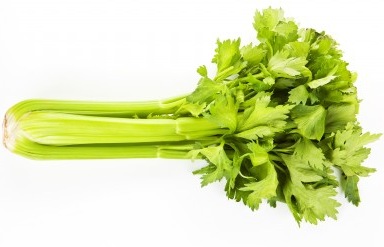
Celery
Braised Celery
8 stalks celery, rinsed and trimmed, leaves chopped and reserved
1 tablespoon ghee or coconut oil
Pinch kosher salt
Pinch freshly ground black pepper
1/2 cup good quality beef stock or broth
Peel any of the fibrous outer stalks of celery with a vegetable peeler and slice into 1-inch pieces on the bias.
Heat the oil in a 10-inch saute pan over medium heat. Once melted, add the celery, salt and pepper and cook for 5 minutes until just beginning to soften slightly. Add the beef broth and stir to combine. Cover and reduce the heat to low. Cook until the celery is tender but not mushy, approximately 5 minutes. Uncover and allow the celery to continue to cook for an additional 5 minutes or until the liquid has been reduced to a glaze. Transfer to a serving dish and garnish with the reserved leaves.
From:
Food Network.com: Good Eats: Celeryman. Alton Brown, 2008
To Print or Pin the Recipe, or to Post and/or Read
Comments
 Michal Moravcik / 123RF Stock Photo 9835182
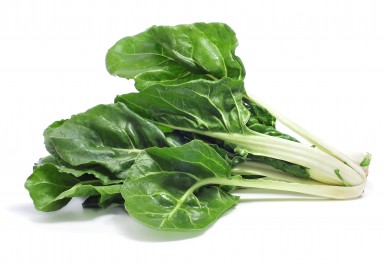
Chard
Braised Chard
1 bunch swiss chard chopped
1 onion, chopped fine
2 tspns paprika
1 tspn cumin powder
1/4 cup or so of cilantro chopped
1/2 cup white wine or water
2 cloves minced garlic
1 tspn salt
ground black pepper
2 tblspns olive oil or other fat (goose etc.)
Normally, with chard, you often have to treat the leaves differently from the stems. Not here, though. Put everything together into a covered dutch oven or stock pot over medium heat. Let it all boil together, making sure there is enough liquid, for about 45 minutes. This is fabulously rich. Serves 4 with a large chard bunch.
By Richard Geller. Posted to the PaleoRecipe Mailing List, Feb. 2001
My own recipe is similar to this one with the exception of the seasonings and larger pieces of onion. I use a pinch or two of nutmeg and dry mustard with the cumin and simmer about 20 minutes in broth, (either chicken or beef) depends which one I have or the proverbial bone stock. I make most greens this way. I vary the seasonings and cooking times to suit the taste and veggie.
By Oliva. Posted to the PaleoRecipe Mailing List, Feb. 2001
To Print or Pin the Recipe, or to Post and/or Read
Comments
 nito500 / 123RF Stock Photo 12553730
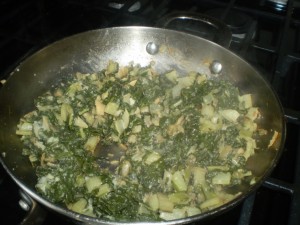
Swiss Chard with Inkling of Salted Cod and Garlic
1 bundle Swiss Chard (wash and cut)
1 chili pepper (optional)
2 tablespoon coconut cream (optional)
Salt * Only if you don't use the salted cod.
dash black pepper
1 medium onion diced
2 cloves garlic crushed/sliced
1 tablespoon olive oil
3-4 tablespoon salted cod (optional) *
Start by washing each leaf of the chard under running water. The chard we get here in Canada seems to have been grown in sandy soil, so washing is very important. Cut out the tips of the stalk (area that may be brown or discolored) but don't remove all the white stem..we'll be using that as well. Grab a few leaves and wrap them tightly, then with a sharp knife on a cutting board, start slicing into thin strips.
After you've sliced the entire bundle of Chard, place in a drainer and run cold water over it again to ensure any sand/dirt is completely removed.
Peel and sliced the garlic and onion, as well as the chili pepper.
I usually soak the piece of salted cod in hot water for about 10 minutes, then I strip into pieces.
Heat the olive oil in a sauce pan under med-high heat. Then add the strips of salted cod and allow to cook from about 3 minutes. Then add the onion, garlic and chili. Allow this to cook until it starts going golden brown (about 3-5 minutes).
At this point you can start adding the sliced Swiss chard to the pot. It will pile up quite a bit, but as it cooks, it will decrease in size. Keep adding as it goes down in size. Then cover the pot and allow to cook on a low heat. it will release it's own natural juices. Don't forget to add a dash of black pepper.
After about 15 minutes or so, add the coconut cream and stir everything around so the cream gets to flavor everything. Continue cooking for another 5-10 minutes (until all the liquid dries up and everything starts to melt). You may prefer to keep things a bit more crunchy (like a stir fry). The choice is yours... just control the cooking time.
* Salt - since I added the salted codfish, there will be no need for adding additional salt. However if you choose not to use the fish, please taste and add salt as to your liking. The coconut cream (milk) is also optional, but I find that it really enhances the dish so I do recommend that you do use it.
From:
Caribbean Pot: Caribbean Cooking, Recipes and Culinary Culture [archive.org]
To Print or Pin the Recipe, or to Post and/or Read
Comments
 Chris on CaribbeanPot
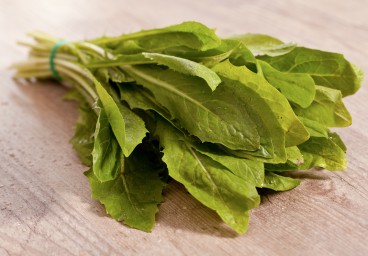
Chicory
Chicory Leaves in Oil (Hindbeh b Zeit)
2 lb (1 kg) chicory
1/2 cup olive oil
3 onions, sliced into thin rings
1 tablespoon salt [way too much!]
5 garlic cloves
Remove the outer yellow leaves from the chicory, then wash and shred crosswise, very finely.
Immerse the shredded leaves in hot water for 2 minutes.
When almost tender, remove the leaves and squeeze out excess water between the palms of the hand.
Set aside to cool.
Fry the onion rings in oil until golden.
Remove the onions from the oil and place the chicory in the same oil with the crushed garlic and salt.
Sauté over medium heat for 5 minutes.
Pour some lemon juice over it and serve cold, garnished with the fried onions rings.
From:
Assouk.com: Free Lebanese Recipes
To Print or Pin the Recipe, or to Post and/or Read
Comments
 Sabino Parente / 123RF Stock Photo 10710795
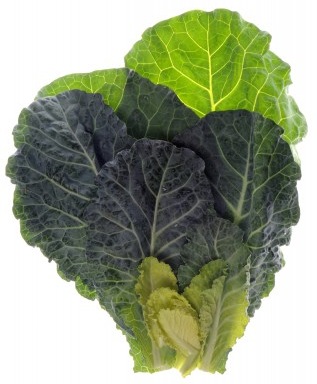
Collard Greens
Dark Leafy Greens [Collard]
Here is a recipe I use, that is a combination of a recipe that Rachel Maetsz shared with a number of paleofood listers (before this group was created) and a recipe I found in an old Vegetarian Times.
2 bunches collard greens, or combination collard and kale
1 large onion, diced
2 cloves garlic, pressed
1 tsp dry mustard powder
hot sauce (made with apple cider vinegar)
ume plum vinegar or lemon juice
salt
pepper
1 cup slivered almonds
3 T bacon fat, coconut oil or olive oil
water or broth
Wash greens thoroughly so as to remove every trace of sand. Remove leaves from stem, either using a knife (collards) or running your pinched fingers along the stem to pull the leaf away. Slice stems, and cut greens into 1.5 inch squares. Set aside. Dice onion, press garlic. Heat fat in dutch oven over medium heat. Saute onions until beginning to soften; add garlic and stir a few minutes. Add spices, salt, pepper and hot sauce to taste; stir a few minutes more. Add enough water or broth to cover bottom of pan by 1/4 inch. When water boils, add greens and a few dashes ume vinegar. Return to boil, stir veggies up from the bottom, reduce heat to simmer and cover. Cook, stirring occasionally, until greens are tender but still bright green. Stir in sliced almonds, remove from heat and place in serving bowl.
By Stacie Tolen. Posted to the PaleoRecipe Mailing List, Feb. 2001
To Print or Pin the Recipe, or to Post and/or Read
Comments
 Brooke Becker / 123RF Stock Photo 13336405
Jamaican-Style Greens
2 lb Collard greens, kale or mustard greens
1/4 c Water
1 1/2 tb Olive oil
1 c Finely chopped onion
1 small Red jalapeno pepper, stemmed, seeded and finely chopped (optional)
1/8 ts Allspice
1/4 ts Salt
Freshly ground black peppere
2 ts Lemon or lime juice
Wash the greens well in several changes of water. Remove the thick rib from the center of the leaves; chop coarsely.
Put the greens with 1/4 cup water into a large pot. Place over medium heat, cover and cook until wilted, about 10 minutes. Stir often. Drain.
Heat the olive oil in a skillet over medium heat. Add the onion and jalapeno; saute 5 minutes. Stir in the greens, allspice, salt and pepper; saute 5 minutes.
Stir in the lime juice and serve.
From: https://www.gardenguides.com/3979-grow-super-salad-greens.html
To Print or Pin the Recipe, or to Post and/or Read
Comments
Brooke Becker / 123RF Stock Photo 13336405
Collard Greens
3 Tbsp. extra virgin olive oil
1 cup diced tomato
1 large onion, diced
2-3 cloves garlic, diced
2 lbs collard greens (about 8-10 large leaves), remove tough stems
1-2 Tbsp. fresh herbs (I used thyme)
Fresh ground pepper to taste
1/4 cup raw sunflower seeds (optional)
In a large, non-stick skillet, add oil and tomatoes on low heat. Add onions and garlic, cook till onions just begin to turn clear. Add greens, cover and stem for 10 minutes. Add salt, pepper and herbs and cover for 15 minutes to continue to stem or until the greens are wilted but not soggy. Add sunflower seeds, heating some more. Serve hot.
From: Sandi Meyerhoff
To Print or Pin the Recipe, or to Post and/or Read
Comments
Brooke Becker / 123RF Stock Photo 13336405
Collards, Basic Approach
First of all, never pick collards that have any yellow spots; once they get the spots, the leaves are really tough and never cook up tender.
Chop up 1/2 pound of bacon ends or salt pork and saute. Cut out the stems from the collards, chop the leaves up medium coarse, and boil for about an hour with a chopped onion and a half cup or so of apple cider or juice and a Tb of chopped dried red peppers and the pork. And, of course, some kosher salt and pepper to taste. Drain and serve. Reserved liquid is called "pot likker" and theoretically yummy, but it doesn't appeal much to me, except it makes a good stock. (er, this is for about three bunches of collards)
Adapted from: Jeff Frane via rec.food.cooking on Jan 6, 1999.
To Print or Pin the Recipe, or to Post and/or Read
Comments
Brooke Becker / 123RF Stock Photo 13336405
Gomen [Collard Greens]
1 lb. Collard greens
1 cup red onions
4 Medium green (hot) peppers (fresh) sliced in strip
2 cups water
1/2 tsp. garlic (peeled and chopped)
16 oz. oil
salt to taste
Wash collard greens, boil in medium pan until soft. Remove from heat, drain and cut into small pieces. Set aside. Wash peppers, remove seeds, slice lengthwise and set aside.
In a pan, cook onions over a low heat until brown adding a little water to prevent sticking and burning. Add collard greens and cook until water disappears. Add all the spices and stir gently. One at a time, add the green pepper slices about 10 minutes before removing from the fire. Serve hot or cold. Gomen is usually served with other foods. It may be served hot or cold. This recipe serves 6.
From: http://www.circus.org/etfood.htm [now dead]
To Print or Pin the Recipe, or to Post and/or Read
Comments
Brooke Becker / 123RF Stock Photo 13336405
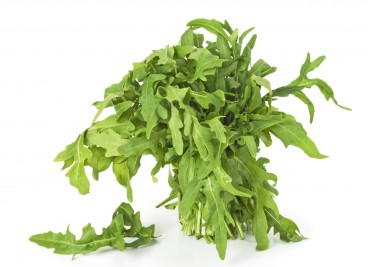
Dandelion Greens
Dandelion Greens
Pick before the flowers bloom, wash in water, and rinse several times. Put in boiling water with a piece of fatback. Boil one hour. Drain well, and boil another 2 hours. Drain well when tender.
Adapted from Tom Kuhn, Native American archeologist
To Print or Pin the Recipe, or to Post and/or Read
Comments
 firina / 123RF Stock Photo 10490482
Dandelion Greens (Pioneer Recipe)
2 lbs. fresh dandelion greens
2 cloves garlic
2 T. oil
pepper to taste
The small young leaves are the most tender. Larger, older leaves are bitter. Clean and wash the leaves. Do not eat the stem or the flower. Cut the leaves in half. Heat the oil and garlic in a saucepan. Add the leaves, and pepper. Cook about 12 minutes or until tender. Add water if it gets too dry. Serve hot.
From Mary Felberg, via Ella Lane at AOL.COM
To Print or Pin the Recipe, or to Post and/or Read
Comments
firina / 123RF Stock Photo 10490482
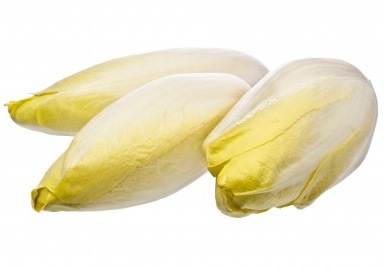
Endive
Braised Endive
6 heads endive
olive oil
Chicken stock
Salt and pepper
Trim 6 endives and slice them in half lengthwise. Season well with salt and freshly ground pepper.
In a heavy-bottomed skillet, heat some olive oil and brown the cut side of the endives over a high flame. Do this in batches, adding oil each time. The pan will brown, which is fine - just don't allow it to blacken; if it does, wash it out before the next batch.
Place the endives, brown side up, in a gratin dish just large enough to hold them in a single layer. Pour chicken stock into the dish to a depth of 1/2 inch. Cover tightly and bake in a preheated 400°F oven for 20 minutes or until quite tender. Serves 6.
Chef's Notes:
For a richer, more savory version, the halved endives can be wrapped in thinly sliced pancetta or bacon before browning. This requires a slower flame and browning on both sides. The oil will still be needed to keep the meat from sticking. This makes a fine first course all by itself, or it can be a delightful accompaniment to roasted or grilled meats and birds.
Contributed by: Alice Waters, Chez Panisse
Adapted from:
Endive.com
To Print or Pin the Recipe, or to Post and/or Read
Comments
 Jo De Vulder / 123RF Stock Photo 8479240
Endives in Olive Oil
Endive, two per person
Olive Oil
Salt
Lemon Juice
With a stainless steel knife, cut each endive into 1/2-inch lengths.
Melt olive oil in a sauté pan.
Add in the endive. Let them cook for a few seconds, turning them about with a wooden spoon. Then add salt, turn down the heat and cover the pan. Using this method, the endive will be sufficiently cooked in about 10 minutes. Be sure to uncover them and shake the pan from time to time to make sure the endives are not sticking.
Before serving, add a squeeze of lemon juice.
A heartier variation would be to add a few little cubes of bacon or ham.
Contributed by: Nora Pouillon, Restaurant Nora, Asia Nora
Adapted from:
Endive.com
To Print or Pin the Recipe, or to Post and/or Read
Comments
Jo De Vulder / 123RF Stock Photo 8479240
Roasted Endive Fronds with Coarse Salt
Several heads of white Endive (one to two per person)
Olive oil
Coarse sea salt
Preheat oven to 400 degrees F.
Core several endives and remove the "fronds," or individual leaves; discard the cores.
Arrange the endive fronds on a nonstick baking sheet, in a single layer, not overlapping. Be sure to leave a little bit of space in between each.
Dot with olive oil and sprinkle with coarse sea salt.
Bake for about 10 minutes, or until the endive fronds are wilted and somewhat tender and the edges are lightly crisped and browned in places.
Serve right away-divine as a side dish to roast chicken.
Contributed by: Marlena Spieler, Food Writer and Broadcaster
Adapted from:
Endive.com
To Print or Pin the Recipe, or to Post and/or Read
Comments
Jo De Vulder / 123RF Stock Photo 8479240
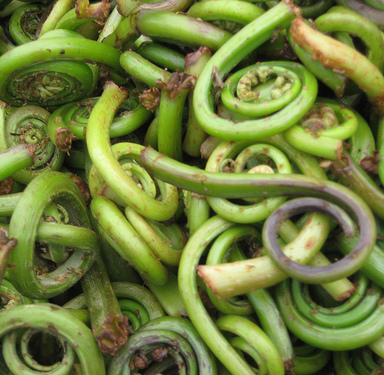
Fiddlehead Ferns
How to Cook Fiddleheads
Fiddleheads are the new fronds of the ostrich fern (
Matteuccia struthiopteris), and get their colloquial name because their coiled form looks like the head of a fiddle. These springtime delicacies have a taste reminiscent of asparagus, freeze well, and are easy to prepare, but they are not without their risks. We'll show you a couple ways to cook these up, and how to avoid their risks.
Cleaning Fiddleheads:
Clean the fiddleheads. Rinse thoroughly, then place in a bowl of cold water. Remove any bits of the brown papery coverings, and rinse again until they look green and clean with no leftover papery bits.
Caution. Do not eat fiddleheads raw like other vegetables! They must be cooked to be edible-there have been a number of reports of food-borne illness associated with eating raw or undercooked fiddleheads.
Method One: Steaming
Place fiddleheads in a steamer basket. Using a steamer will help preserve the delicate flavors of the fiddlehead ferns.
Add water to the saucepan or steamer, but don't submerge the ferns.
Bring the water to a boil. Steam the fiddleheads for 10-12 minutes, until tender.
Method Two: Boiling
Boil water. Fill a saucepan with enough water to fully cover the fiddleheads.
Add a pinch of salt. When the water has come to a full boil, add salt.
Stir in fiddleheads. Return the water to a full boil, then cook for 15 minutes.
Method Three: Sautéing
Heat oil. In a skillet, heat an oil over medium-high heat until shimmering.
Add prepared fiddleheads. These ferns should be steamed or boiled before adding them. Sautéing alone is not sufficient to prevent illness.
Sauté until they start to brown. Add salt to taste, and thinly sliced garlic or shallots if you like. Continue cooking for about another minute.
Tips:
Fiddleheads available in grocery stores are safe to eat, but care should be taken if you are foraging for these greens on your own.
The fern fronds should be tightly curled. If the fronds are old and more unfurled, do not eat it. Please read the Health Canada's
Food Safety Advisory on fiddleheads.
Ostrich fern fiddleheads, which are about an inch in diameter, can be identified by the brown papery scale-like covering on the uncoiled fern, as well as the smooth fern stem, and the deep U-shaped groove on the inside of the fern stem.
Correctly identify a fiddlehead. While there are many varieties of fern, the ostrich fern is the only one that is edible and safe to eat. Other varieties of fern may look similar, but can be poisonous or unpalatable.
Edited by Luv_sarah, Flickety, VermontGal, Maluniu and 16 others
From:
WikiHow
To Print or Pin the Recipe, or to Post and/or Read
Comments
 WikiHow
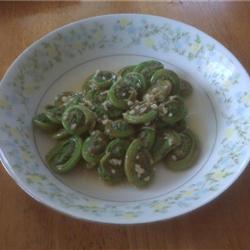
Sautéed Fiddleheads
3 cups fresh fiddlehead ferns, ends trimmed
3 tablespoons unfiltered extra-virgin olive oil
1 clove garlic, minced
1/2 teaspoon sea salt
1/2 teaspoon black pepper
1 tablespoon fresh lemon juice
Bring a large pot of salted water to a boil. Cook fiddlehead ferns in the boiling water until barely tender, 7 to 10 minutes; drain.
Heat olive oil in a large skillet over medium-high heat. Stir in the prepared fiddlehead ferns, garlic, and the salt and pepper. Cook and stir until ferns are tinged lightly brown and tender, about 5 minutes. Remove from heat and sprinkle with lemon juice.
From:
AllRecipes
To Print or Pin the Recipe, or to Post and/or Read
Comments
 Krista
Kale
Robert's Greens [Kale and Andouille Sausage]
1 onion, chopped
many cloves of garlic, chopped
1 carrot, chopped fine
1 1/2 long andouille sausage, sliced or chopped
1 large can chicken broth
1 cup canned tomato chunks
2 bunches kale, spines removed, coarsely chopped
olive oil
pepper
hot peppers, fresh (chopped) or dried flakes
Sauté first three ingredients in olive oil until onion is transparent. Add andouille and cook for a few minutes. Add the broth and tomato and bring to a boil. Add kale and peppers. Turn heat to very low and simmer until done. Will be fairly soupy.
From: husband of Gail de Prosse (via rec.food.cooking on Dec 27, 1999)
To Print or Pin the Recipe, or to Post and/or Read
Comments
 melpomen / 123RF Stock Photo 10554927
sautéed Kale
1 pound fresh kale trimmed and chopped, or 2 packages (10-3/4 oz. each)
frozen, chopped kale, thawed and drained.
1 large garlic clove, crushed
1 tablespoon olive oil
2 tablespoons pine nuts (pignoli), lightly toasted
2 tablespoons lemon juice
If using fresh kale, cook the kale in a large pot of boiling water until tender, about 10 minutes, drain well. Coat a large skillet with oil. Saute garlic over medium heat until just golden, about 3 minutes. Add kale to skillet. Stir in the 1 tablespoon olive oil, saute until heated thru, about 5 minutes. Stir in pine nuts, remove skillet from heat. Sprinkle kale mixture with lemon juice. Transfer to a shallow serving dish, Serve immediately.
From: The American Cancer Institute.
To Print or Pin the Recipe, or to Post and/or Read
Comments
melpomen / 123RF Stock Photo 10554927
Lamb's Quarters
Lamb's Quarters
Use the leafy greens alone in a salad or mix with stronger greens. For potherb, use large quantity of greens because cooking greatly diminishes bulk. Boil young leafy stems in a small quantity of water about 5 minutes until tender. Good with a sauce of olive oil, diced onion, and crisp bacon, chopped fine.
From
Edible Wild Plants: A North American Field Guide by Elias & Dykeman.
To Print or Pin the Recipe, or to Post and/or Read
Comments
Lettuce
Lettuce and Bacon
6 small heads of romaine lettuce
1/2 pound bacon, diced
1 large onion, minced
1 large tomato, peeled and seeded (optional)
fresh ground pepper
sprinkling of a favorite herb: basil, thyme or marjoram
chicken broth or water (if necessary to prevent scorching)
Trim the romaine heads, but leave them whole. Wash thru several changes of cold water, shake dry, Plunge the lettuce into a large saucepan filled with boiling water, and cook for about 2 minutes. Do not overcook, the lettuce must remain firm. Drain and lay in a strainer to allow the lettuce to drip excess moisture. Dry between paper towels. In a fry pan, cook bacon until crisp. Pour off about 2/3 of the fat in the pan. Add the onion and the tomato, and cook, stirring constantly, until onion is tender. Add the lettuce, season with pepper, and sprinkle with your herbs. Cook covered over low heat for about 10 minutes, check for dryness, if necessary, add a little broth or water, 1-2 tbsp. at a time, to prevent scorching. The cooked lettuce should be dry. Serve very hot, 4-6 servings.
From:
Nika Hazelton's Way with Vegetables
To Print or Pin the Recipe, or to Post and/or Read
Comments
Mustard Greens
Braised Mustard Greens with Garlic
If you can't find mustard greens, broccoli rabe is a good substitute. Cut off and discard the tough stem ends, then coarsely chop the tender stems, leaves, and florets.
1/2 lb mustard greens, stems and center ribs discarded and leaves coarsely chopped (4 cups packed)
1 garlic clove, finely chopped
1 tablespoon extra-virgin olive oil
1/3 cup water
Blanch mustard greens in a 4-quart heavy pot of boiling salted water 1 minute. Drain greens in a colander and wipe pot dry.
Cook garlic in oil in pot over moderate heat, stirring, until pale golden, about 30 seconds. Add greens and water and simmer, partially covered, stirring occasionally, until tender, 5 to 6 minutes. Season with salt and pepper.
From:
Epicurious: Gourmet, December 2004 [archive.org]
To Print or Pin the Recipe, or to Post and/or Read
Comments
 Barbara Reddoch / 123RF Stock Photo 9585641
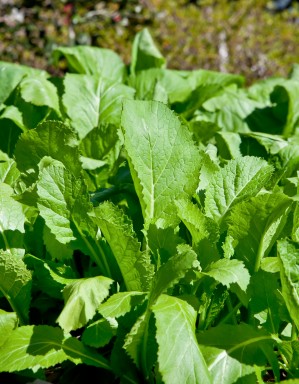
Mustard Greens
1/2 cup thinly sliced onions
2 cloves garlic, minced
1 Tbsp olive oil
1 pound mustard greens, washed and torn into large pieces
2 to 3 Tbsp chicken broth or vegetable broth (vegetarian option)
1/4 teaspoon salt
1/4 teaspoon pepper
1/4 teaspoon dark sesame oil
In a large sauté pan, sauté onions in olive oil over medium heat until the onions begin to brown and caramelize, about 5 to 10 minutes. Add the minced garlic and cook a minute more, until fragrant.
Add the mustard greens and broth and cook until the mustard greens are just barely wilted. Toss with sesame oil. Season with salt and pepper. Serves 4.
From:
SimplyRecipes
To Print or Pin the Recipe, or to Post and/or Read
Comments
 Elise
Elise
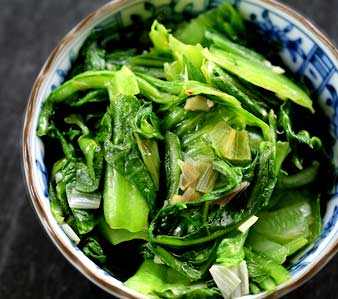
Quick and Easy Mustard Greens
10 to 12 slices bacon, diced
1 cup chopped onion
16 ounces frozen mustard greens
water
diced cooked ham, optional
1 teaspoon Cajun seasoning, seasoned salt, or salt, or to taste
dash red pepper, optional
dash black pepper, to taste
1 to 2 tablespoons olive oil, or bacon fat from first step
Cook bacon just until almost crisp; add onion and sauté until onion is tender and bacon is crisp.
Put chopped mustard greens in a medium saucepan; cover with water. Bring to a boil, reduce heat to medium-low, and simmer for about 20 to 30 minutes. Add bacon and onion, along with ham, if using. Toss with seasonings and oil or fat to taste. Serves 4 to 6.
From:
The Spruce Eats
To Print or Pin the Recipe, or to Post and/or Read
Comments
Barbara Reddoch / 123RF Stock Photo 9585641
Spicy Mustard Greens with Cumin
1/4 cup extra-virgin olive oil
2 medium onions, coarsely chopped
6 garlic cloves, chopped
1 tablespoon cumin seeds
1/2 teaspoon dried crushed red pepper
2 large bunches mustard greens (about 26 ounces total), coarsely chopped
1 tablespoon lemon juice
Heat oil in large wide pot over medium-high heat. Add onions and sauté until soft, about 7 minutes. Stir in garlic, cumin seeds, and crushed red pepper; sauté 3 minutes. Add mustard greens to pot in batches (about 1/3 at a time) and stir until each batch begins to wilt before adding next, about 3 minutes per batch. Reduce heat to medium-low, cover, and cook until greens are very tender, stirring frequently, about 30 minutes. Season with salt and pepper. Mix in lemon juice.
DO AHEAD. Can be made 3 hours ahead. Transfer to bowl and serve hot or at room temperature.
Recipe by Peter Berley, November 2005. Adapted from
Bon Appétit
To Print or Pin the Recipe, or to Post and/or Read
Comments
Barbara Reddoch / 123RF Stock Photo 9585641
Mustard Greens, Nepalese-style
3 tablespoons mustard oil (olive oil has too low a
smoke point for here)
1 pound mustard greens, cleaned and coarsely chopped
1 teaspoon crushed red pepper, or to taste (optional)
1 tablespoon ground cumin
1 teaspoon ground turmeric
Heat the oil until almost smoking. Add the greens and stir to prevent burning. Once wilted, add the spices. Stir thoroughly, turn the heat to low, cover, and cook for about 5-15 minutes.
Add a little hot water if the greens start to burn. Make sure all water has evaporated before serving.
From:
The Spice House
To Print or Pin the Recipe, or to Post and/or Read
Comments
Barbara Reddoch / 123RF Stock Photo 9585641
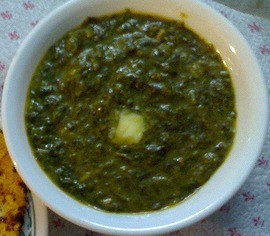
Sarson Ka Saag (Mustard Greens)
1 tbsp. oil
1 large onion, puréed
1 large tomato, puréed (or canned pumpkin/butternut)
1 tsp. ginger
1 tsp. garlic
1/2 tsp. each cumin, coriander, turmeric and chilli (optional) powders
1 tsp. salt or to taste
1 lb. chopped mustard greens (boiled)
Heat oil in a non-stick frying pan (or skillet) and fry the onion and tomato, ginger and garlic pastes, cumin, coriander, turmeric and chilli powders together for five minutes.
Add the mustard greens and cook for twenty five minutes on medium low heat with a cup of lukewarm water.
Stir occasionally so that the mustard green blend in well and forms a thick consistency.
From:
PakiRecipes.com [archive.org]
To Print or Pin the Recipe, or to Post and/or Read
Comments
 maham
maham
Creamed Mustard Greens With Spinach
1 (29 ounce) can mustard greens, drained
1 (15 ounce) can spinach, drained
1 medium onion, chopped
1 tomato, chopped (or canned pumpkin/butternut)
1 jalapeno, chopped (optional)
1 tablespoon garlic paste (or fresh chopped garlic)
1 tablespoon ginger paste (or fresh chopped ginger)
1 teaspoon cumin powder
1 teaspoon coriander powder
1 teaspoon turmeric powder (optional)
1 teaspoon chili powder (or to taste) (optional)
2 tablespoons tomato paste
1 cup coconut milk (add to taste and consistency) salt and pepper
1/2 teaspoon garam masala
2 tablespoons oil
1/4 cup water
Topping:
3 tablespoons oil
1 piece fresh ginger, chopped
1. Heat up oil in pot and add onions. Fry till softened and translucent.
2. Add the jalapano, ginger and garlic paste, cumin powder, coriander powder, turmeric powder and chili powder.
3. Add the water and fry for 2-3 minutes. Stir well.
4. Add the tomato and cook till softened, about a minute.
5. Add the mustard greens, spinach, garam masala, tomato paste, salt and pepper.
6. Cook covered about 15 minutes on medium high heat till all the veggies release all their water.
7. Uncover and dry of any liquid on high heat for about 5-8 minutes. The dryer the better. When done, turn off stove.
8. In portions, blend the mixture till smooth. Add some of the coconut milk if needed to blend. Transfer back to pot.
9. Mix in the coconut milk.
10. Topping:. In a small fry pan, heat up the oil and add the chopped ginger. Fry the ginger till golden brown.
11. Pour on top of the mustard spinach. Be careful it will sizzle and might pop.
12. Serve hot with some fresh lime squeezed on top.
From:
Food.com
To Print or Pin the Recipe, or to Post and/or Read
Comments
Barbara Reddoch / 123RF Stock Photo 9585641
Mustard Greens Bhutuwa
1 lb mustard greens, washed, peeled, cut into small pieces (spinach can be used)
3 dried red chilies
1/2 teaspoon jwanu seeds (lovage seeds)
1/2 teaspoon mustard seeds
1/2 teaspoon cumin seeds
1 teaspoon whole Szechuan pepper or Chinese pepper
1 tablespoon garlic, minced
1 tablespoon ginger, minced
1/2 teaspoon turmeric
1/2 teaspoon freshly ground pepper
3 tablespoons mustard oil
2 tablespoons fresh dill weed, finely chopped
In a non-stick pan heat three tablespoons of mustard oil.
Splitter jwanu seeds, whole timur mustard seeds, and cumin seeds until they turn dark.
Fry dried red chilies for 15 sec.
Till it turns dark.
Add garlic, ginger, ground pepper, and turmeric; fry for a minute or so on low heat.
Add mustard greens to the spice-mixture, and stir-fry for about two minutes. Salt it.
Increase the heat to high; cook the mustard greens until wilted and the excess liquid has evaporated off. Do not overcook the greens.
Adjust seasoning with salt and pepper.
Garnish with chopped dill weed.
From:
Recipes Wiki
To Print or Pin the Recipe, or to Post and/or Read
Comments
Barbara Reddoch / 123RF Stock Photo 9585641
Purslane
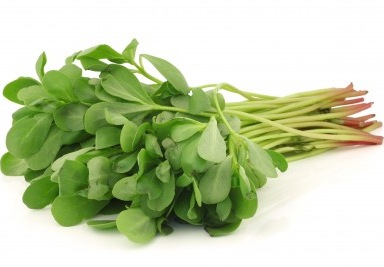
Todd's Guide to Eating Purslane
Gibbons says the best way to harvest purslane is to pinch off the leafy tips. This is because they grow back almost immediately (some say overnight), so a few plants can furnish a lot of edible purslane. He also give some recipes. It can be eaten raw, as a salad vegetable, or boiled. He suggests adding a quart of purslane tips to bacon when it is about finished cooking, mixing it in with the bacon fat and letting it cook for a few more minutes. Then season to taste with your favorates spices.
From: Todd Moody
Adapted by Patti Vincent
To Print or Pin the Recipe, or to Post and/or Read
Comments
 Peter Zijlstra / 123RF Stock Photo 15107406
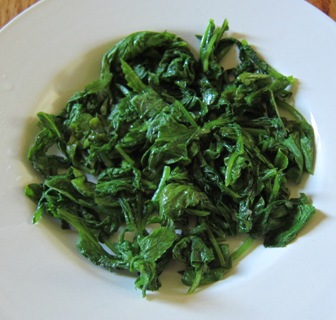
Radish Greens
Sautéed Radish Greens
1 bunch radish greens
1 garlic clove, minced
1 tbsp olive oil
Salt and pepper to taste
Wash the radish greens, then chop them.
Heat the oil in a non-stick frying pan over medium heat. Add radish greens to the frying pan, and cook, stirring periodically, until they wilt (about 2 minutes). Add minced garlic and stir for 30 seconds.
Remove the sautéed radish greens from the frying pan and serve.
From:
Melanie Cooks
To Print or Pin the Recipe, or to Post and/or Read
Comments
 Melanie Mendelson
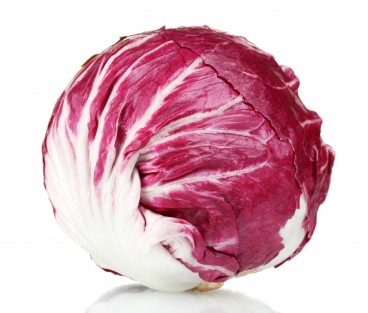
Radicchio
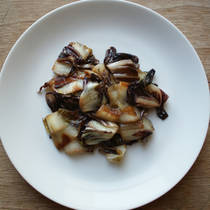
Sautéed Radicchio
Radicchio has a famously bitter edge along with its gorgeous color. Sautéeing radicchio tempers the bitterness beautifully.
2 Tbsp. olive oil
1 clove garlic (optional), thinly sliced or finely chopped
1/4 tsp. sea salt
Trim any brown part off the stem of the radicchio. Cut the radicchio head into quarters, cut out the core from each quarter, and cut quarters into bite-size pieces - I like to leave the pieces fairly large because it looks so pretty.
Heat a large frying pan or saute pan over medium high heat. Add oil and swirl. Toss in garlic, if you like, and let it sizzle. Add radicchio, sprinkle with salt, and stir to coat with oil. Cook, stirring frequently, until radicchio is tender and starting to brown, about 8 minutes.
Transfer radicchio to a serving platter. Sprinkle with more salt to taste, if you like. Serve hot or warm.
From:
THe Spruce Eats
To Print or Pin the Recipe, or to Post and/or Read
Comments
 Molly Watson
Sautéed Radicchio with Shallots
3 tablespoons extra-virgin olive oil
3 large shallots, thinly sliced
Salt
2 heads of radicchio (1/2 pound), thinly sliced
Freshly ground black pepper
In a large skillet, heat 2 tablespoons of the olive oil. Add the shallots, season with salt and cook over moderate heat until softened, about 4 minutes. Add the remaining 1 tablespoon of olive oil and the radicchio to the skillet and toss well. Cover and cook over moderate heat, stirring a few times, until the radicchio is tender, about 5 minutes. Season with salt. Transfer the radicchio to a bowl. Season with pepper and serve.
From Mark Peel's Easy Vegetable Side Dishes
Adapted from
Food & Wine [archive.org]
To Print or Pin the Recipe, or to Post and/or Read
Comments
 Olga Yastremska / 123RF Stock Photo 11795041
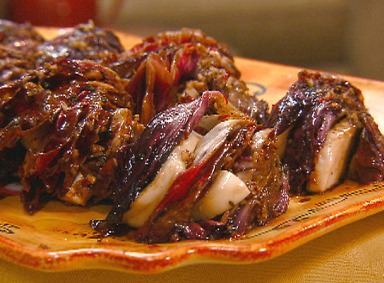
Perfectly Grilled Radicchio
4 heads radicchio
12 garlic cloves, minced
2 teaspoons crushed red pepper flakes (optional)
3 tablespoons fresh thyme leaves
2 cups extra-virgin olive oil
1/2 cup lemon juice
Salt and freshly ground black pepper
Cut the radicchio in quarters lengthwise, being sure to keep some of the stem attached to each quarter. Trim off any dark bits of stem. Submerge the radicchio quarters in ice water for 1 hour to remove some bitterness. Put a plate on top of the radicchio to keep them under water.
In a medium bowl, combine all ingredients. Mix well.
Prepare a hot fire in your grill, or heat a cast iron grill pan over medium-high heat.
Drain the radicchio and place them on paper towels to absorb remaining water. Open up the leaves and spoon the olive oil mixture inside. Place the radicchio quarters on a baking sheet and pour the remaining marinade mixture. Season generously with salt and pepper.
Grill the radicchio until browned on the outside but still raw in the center, 3 to 5 minutes, turning occasionally. Be careful, as the oil mixture may flame up.
When the radicchio begins to brown, pull from the grill. Drizzle any leftover dressing over the top of the grilled radicchio and serve warm.
If making radicchio in advance: Before the party, have the radicchio drained and marinated in the vinaigrette in the refrigerator.
Recipe courtesy Michael Chiarello
Show: Easy Entertaining with Michael Chiarello
Episode: It's A Wrap Cocktail Party
Adapted from:
FoodNetwork.com
To Print or Pin the Recipe, or to Post and/or Read
Comments
 Michael Chiarello
Ramps (Wild Leeks)
Sautéed Ramps in Guanciale
1 pound ramps, trimmed and cleaned
1/4 pound guanciale, small dice (Italian cured pork jowls)
freshly ground black pepper, to taste (optional)
To trim and clean the ramps, cut off the root end and submerge in a large bowl of cold water to dislodge trapped dirt, changing the water as many times as necessary. Rub the stalks gently with your fingertips to remove a thin and slippery outer layer, much like cleaning scallions.
Slice the ramps where the stalks and leaves meet. The stalks will be cooked a few minutes ahead of time.
In a heavy skillet over medium heat, cook the guanciale until light brown and crisp.
Add the ramp stalks and cook for a few minutes, just until tender. Add the ramp leaves and cook for about a minute, just until wilted. Taste and season with freshly ground pepper, if necessary.
From:
Apple Pie, Patis, and Pâté Recipes [archive.org]
To Print or Pin the Recipe, or to Post and/or Read
Comments
 Apple Pie, Patis, and Pâté Recipes
Spinach
Creamed Spinach with Coconut Milk
1/8 cup olive Oil
1 cup sweet onions, 1/4" diced
1 tbsp garlic, minced
16 oz spinach leafs, washed and rinsed
1/2 cups coconut milk
1/4 tsp white pepper
1/2 tsp salt, add to taste
Heat olive oil in a large sauté pan over medium heat, then add the garlic and onions and sauté just until the onions become translucent.
Add spinach and sauté until spinach starts to wilt, then add the coconut milk and seasonings. Mix the ingredients well to ensure an even seasoning blend.
Sauté the seasoned spinach until completely wilted, then transfer to a warm serving dish and garnish with fresh coconut shavings. Serves: 8
From:
Bahama Breeze Island Grill
To Print or Pin the Recipe, or to Post and/or Read
Comments
 Svetlana Kolpakova / 123RF Stock Photo 8753110
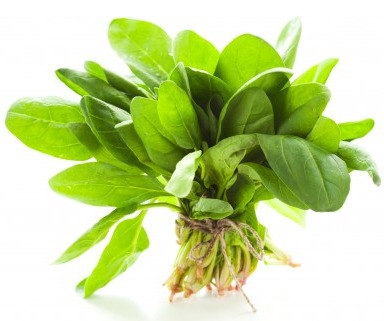
Bhaji with Baby Spinach and Coconut Cream
11 oz baby spinach (pre washed)
1 medium onion sliced thin
3 cloves garlic sliced
1/4 hot pepper (optional) I used habanero
dash of black pepper
salt to taste (I used a little less than 1/4 teaspoon)
3 tablespoon olive oil (I use extra virgin for the additional flavour)
1 can coconut cream (5.6 fl oz)
Even though I purchased the pre-washed spinach (please get baby spinach for best results) I still wash it before cooking. Blame our mom for that.. she believes in washing just about everything. Then in a wide sauce pan heat the olive oil on medium heat. When the oil is hot, add the sliced garlic and allow to cook for a few minutes to infuse the oil with the flavours of the garlic.
If you look closely at the edges of the garlic you'll notice that it's starting to go golden in color, this is a good indication that it's time to add the spinach. Since we washed the spinach, make sure to drain it well before adding to the pan with the hot oil and garlic. At first you'll doubt that the entire batch of spinach will fit in the pan, but as it wilts... everything will fit. Just keep adding as needed.
The next step is to add the black pepper, sliced onion, hot pepper and salt. As mentioned I used a little less than 1/4 teaspoon of salt, so I suggest you add a similar amount and at the end add additional if needed. TIP BTW, if you have a heavy hand and add more salt than necessary, feel free to add a sliced tomato to the pot to try and diffuse some of that salty taste. I then pour in the coconut milk into the pan, cover, turn down the heat to low and allow to simmer for about 20 minutes. You'll notice that the spinach released a lot of it's own liquid. No worries.. we'll burn all that off later.
After 20 minutes cooking with the cover on the pan, you'll notice that there's still a bit of liquid left in the pot. After-all we added coconut milk as well to the natural juices of the spinach itself. Remove the cover and turn the heat up to medium/high to cook off all that liquid. Keep a close eye.. if you notice the spinach starts to stick to the bottom of the pan, turn down the heat. It must cook off the liquid evenly.
Note: I like my spinach cooked as we do with dasheen bush bhaji.. melted to a sort of smooth paste. But if you prefer, you can cook this much faster with the lid off the pan for about 7-10 minutes (instead of 20) or until the liquid (coconut) milk dries off. On a higher heat setting. This way you'll have a finished dish with more texture.
As the liquid dries off, you're done. It will look a bit mushy, but trust me.. this is packed with flavour and healthy goodness.
From:
Caribbean Pot: Caribbean Cooking, Recipes and Culinary Culture [archive.org]
To Print or Pin the Recipe, or to Post and/or Read
Comments
 Chris at CaribbeanPot
Spinach Bhagi
In Trinidad and Tobago, this recipe is a traditional Indian dish that is served mainly for breakfast or dinner.
1 bundle spinach
1 large onion (chopped)
2 cloves garlic (chopped)
2 pimento peppers (chopped) (optional)
1/4 cup coconut milk
1 tbsp coconut oil
1/2 hot pepper (according to taste and chopped) (optional)
Salt to taste
Break up spinach and wash. Heat oil in saucepan and add garlic, onion, pimento peppers and hot pepper and allow to saute for about 1 minute.
Add spinach and salt, turn all ingredients thoroughly. Add coconut milk, cover pot and allow to steam under low heat. Keep turning occasionally.
When spinach is cooked, remove cover and allow frying for another 2 minutes or until all the liquid is absorbed. At this point you need to turn regularly.
Adapted from: Wha to Cook? (dead link: www.whatocook.com/spinach-bhagi)
To Print or Pin the Recipe, or to Post and/or Read
Comments
Svetlana Kolpakova / 123RF Stock Photo 8753110
Sautéed Spinach
1 pound washed baby spinach leaves
4 cloves garlic, smashed (or pressed)
4 Tablespoons extra virgin olive oil
Rinse the spinach well in cold water to make sure it's very clean. Spin it dry in a salad spinner, leaving just a little water clinging to the leaves. If the spinach is packaged pre-washed, then you don't need to do anything.
Heat oil in a large sauté pan with smashed cloves of garlic. When the garlic turns golden, but not brown, add the spinach and sauté until wilted.
You can cook a few minutes longer. Optionally covered, if you have a large cover.
Can top with a squeeze of lemon and freshly ground pepper.
To Print or Pin the Recipe, or to Post and/or Read
Comments
Svetlana Kolpakova / 123RF Stock Photo 8753110
Garlic-Lime Spinach
2 tablespoons olive oil
3 cloves garlic, smashed
Two 6-ounce bags fresh spinach
1/2 teaspoon lime zest
1/2 teaspoon salt
1/4 teaspoon ground black pepper
In a large Dutch oven, heat the oil over medium-high heat until hot. Add the garlic and cook until golden brown, about 2 minutes.
Add the spinach and cook, stirring constantly until wilted, about 4 minutes. Stir in the lime zest, salt and pepper. Serve immediately.
From:
Paula Deen
To Print or Pin the Recipe, or to Post and/or Read
Comments
Svetlana Kolpakova / 123RF Stock Photo 8753110
Baked Soufflé
2 eggs
2 C cooked and chopped spinach
Mix together and bake at 350 for 1/2 hour.
From: a child's cookbook from 1931
To Print or Pin the Recipe, or to Post and/or Read
Comments
Svetlana Kolpakova / 123RF Stock Photo 8753110
Spinach with Pine Nuts, Garlic and Dates
Clean spinach using two bowls. Wash spinach in one, then lift out and put in the other. Rinse our the first bowl, lift the spinach and put it into the first bowl, and repeat until the spinach is completely clean. Drain spinach.
Put spinach into a pot with only the water that sticks to its leaves. Over medium heat covered pot until spinach wilts.
Meanwhile, toast pinenuts in a saute pan over medium heat. Don't burn!!
Chop garlic and a few dates. You could use raisins instead of dates.
Remove spinach from the pot. Add 2 tblspoons olive oil and heat for a few moments. Add garlic and continue cooking until you really smell that garlic. Then add the spinach, dates and pine nuts and cook until it heats through. Serve immediately.
By Richard Geller. Posted to the PaleoRecipe Mailing List, Nov. 2000
To Print or Pin the Recipe, or to Post and/or Read
Comments
Svetlana Kolpakova / 123RF Stock Photo 8753110
Roman Spinach
3 pounds spinach, washed and trimmed
2-3 tbsp olive oil
1/2 cup pignoli (pine nuts)
1 garlic clove, mashed
2 tsp lemon juice or to taste
pepper
Cut any large spinach leaves into pieces. Heat the oil in a deep frying pan. Cook the nuts, stirring constantly until they are golden. Add the spinach, garlic, lemon juice, and pepper to taste. Cook covered, shaking the pan to prevent sticking, for about 4 minutes, or until barley tender. Serve very hot, 4 servings.
From
Nika Hazelton's Way with Vegetables
To Print or Pin the Recipe, or to Post and/or Read
Comments
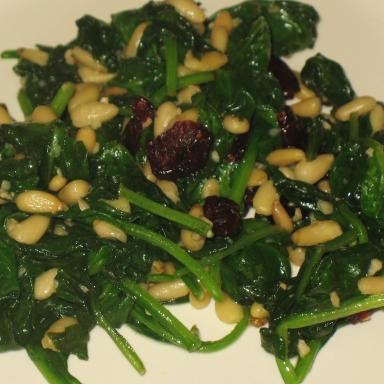
Spinach With Pine Nuts
1 1/2 kg fresh spinach
2 tablespoons extra virgin olive oil
2 garlic cloves, finely chopped
50 g sultanas
50 g pine nuts
salt and pepper
Wash the spinach thoroughly and cut the rough stems off.
Cook the spinach in very little water in a covered pan for 5 mins then drain and chop.
Heat the olive oil over a medium to low heat and add the finely sliced garlic, sultanas and pine nuts. Fry gently for 2 - 3 mins, stirring all the time so that the pine nuts brown but do not burn. Add the spinach.
Mix all ingredients together and season with salt and pepper.
From:
Food.com
To Print or Pin the Recipe, or to Post and/or Read
Comments
 Acadia*
Spinach Fatayer Filling
4 cups fresh spinach leaves, chopped
1 onion, finely chopped
2 tablespoons extra-virgin olive oil
2 tablespoons ground sumac
2 tablespoons pine nuts (optional)
3 tablespoons fresh lemon juice
1/2 teaspoon ground black pepper
1 pinch salt
Saute all ingredients in a a pan.
From:
AllRecipes
To Print or Pin the Recipe, or to Post and/or Read
Comments
Svetlana Kolpakova / 123RF Stock Photo 8753110
Cheera (Spinach) Thoran
800 gm Cheera leaves (Spinach)
1 cup Grated coconut
2 Onion (finely chopped) (or shallots)
5 Green chilli (finely chopped) (optional)
1/2 teaspoon Turmeric powder
Salt as required
2 tablespoon Oil
1/2 teaspoon Mustard seed
1 stem Curry leaves
Clean the spinach leaves nicely and chop finely.
Heat oil in a pan. Splutter mustard seeds.
Add chopped onion, green chilli and curry leaves and sauté well.
Add grated coconut and sauté in a low flame.
Add the spinach leaves, mix well.
Cover the pan and cook.
Stir in between.
Do not overcook.
by Mrs Annamma Philippose. From:
newKerala.com [archive.org]
To Print or Pin the Recipe, or to Post and/or Read
Comments
Svetlana Kolpakova / 123RF Stock Photo 8753110
Bengali Spinach
2/3 cup raw almonds
2 cups warm water
3 tablespoons ghee or coconut oil
1 tablespoon black mustard seeds
1/2 teaspoon whole cumin seed
1/4 teaspoon fenugreek seeds
1/2 tablespoon grated ginger
1 tablespoon minced green chilies (optional)
2 lbs trimmed fresh spinach
1/3 cup shredded coconut
1 tablespoon salt [way too much!]
2 tablespoons water
1/8 teaspoon nutmeg
1. Soak nuts in warm water for 4 hours or overnight.
2. Drain, wash and drain again.
3. Heat ghee in a large pot over moderate heat.
4. When hot, but not smoking, add the spice seeds.
5. Fry until the seeds darken.
6. Add the ginger, chiles, spinach, nuts, coconut and salt.
7. Cover, reduce heat to low and cook for 10 minutes.
8. Uncover, gently turn the spinach over. Add water if necessary.
9. Cook for a further 10 minutes. Stir in the nutmeg and heat through for 1 to 2 minutes.
10. Garnish with lemon and serve.
Adapted from:
Food.com
To Print or Pin the Recipe, or to Post and/or Read
Comments
 Rita~
Rita~
Turnip Greens
Sautéed Fresh Turnip Greens
1 lb. fresh turnip greens
1 tsp. salt
1 hard cooked egg
1/3 c. minced green pepper
2 tsp. fresh lemon juice
1/3 c. chopped onion
2 strips bacon
1/4 tsp. black pepper
Wash turnip greens thoroughly. Trim off coarse stems. Fry bacon until crisp and remove it from the fat. Save for later use. Add onion and green pepper to bacon fat and sauté until limp. Coarsely chop turnip greens and add to onions and green pepper. Stir to mix well. Cover tightly and cook 10-15 minutes, or until tender. Add salt, black pepper and lemon juice. Toss lightly. Turn into serving dish and garnish with crisp, crumbled bacon and slices of hard cooked egg. Yield: 4 servings.
From:
Cooks.com
To Print or Pin the Recipe, or to Post and/or Read
Comments
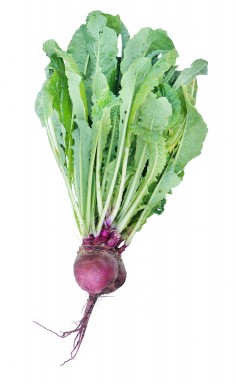 Alexey Poselenov / 123RF Stock Photo 10660922
Spicy Skillet Turnip Greens
A quick recipe for spicy skillet turnip greens for a comforting, home-cooked meal.
1 tablespoon olive oil
1 medium onion, cut into wedges
1 pound turnip greens, cleaned and chopped
1/4 cup water
1/8 teaspoon red pepper flakes (adjust to preference)
Drizzle olive oil into skillet over medium heat.
Add onion and cook until just tender, about 3 minutes. Then add 1/2 of turnip greens. Allow to cook down and add the remainder of the greens.
Add water and red pepper flakes. Adjust the amount of red pepper to your personal taste.
From:
Add A Pinch
To Print or Pin the Recipe, or to Post and/or Read
Comments
 Robyn
Robyn
Southern-Style Turnip Greens
A Southern-style turnip green recipe with salt pork.
4 to 4 1/2 pounds turnip greens
1 pound salt pork, rinsed and diced
1 1/2 cups water
1 cup finely chopped onion
1/2 teaspoon pepper
a dash of crushed red pepper, optional
Cut off and discard tough stems and discolored leaves from greens. Wash greens thoroughly and drain well. Cook salt pork in a large pot or Dutch oven over medium heat until crisp and brown. Add the turnip greens, water, onion, pepper, and crushed red pepper; bring to a boil. Reduce heat, cover, and simmer 40 to 45 minutes or until greens are tender. Taste and adjust seasonings.
Serve with lemon juice or pepper sauce. Serves 6.
From:
The Spruce Eats
To Print or Pin the Recipe, or to Post and/or Read
Comments
Alexey Poselenov / 123RF Stock Photo 10660922
Braised Turnips and Radishes
1 pound (total) turnips and radishes
Salt
2 tablespoons flavorful oil
Peel vegetables, or not; quarter turnips if necessary to make them about same size as radishes. Put in saucepan with pinch of salt, oil, and water to come up about halfway to their height. Cover and turn heat to medium-high.
Simmer until vegetables are just about tender, 10 to 20 minutes. Uncover and continue to cook until vegetables are shiny and glazed with their juices. Add more salt if necessary and serve hot.
By Mark Bittman. From:
The New York Times
To Print or Pin the Recipe, or to Post and/or Read
Comments
Alexey Poselenov / 123RF Stock Photo 10660922
Turnip Greens
2 large bunches of fresh turnip greens
2 cups water
pepper to taste
1/4 pound fatback, bacon, or fatty ham scraps
This recipe also works for mustard greens, collard greens, or any mix of the three greens.
Wash and destem the turnip greens, rinsing thoroughly to remove all sand and dirt. Place in a large pot with water and pepper and fatback/bacon/fatty ham scraps. Bring to a boil (if you don't have a steam-releasing lid, be sure to tilt lid on top of pot to let the steam escape.), and simmer until greens are tender, adding water as necessary to keep them from drying out. The longer they cook, the better they get.
From
Jack's Skillet by Jack Butler
To Print or Pin the Recipe, or to Post and/or Read
Comments